Basement Flooding in Westport, IN
Basement water pumped out and the structure dried to a measured number before the finished space goes back.
Westport Water Restoration provides Basement Flooding in Westport, IN. 24/7 emergency response with IICRC certified crews, and we work with your insurance carrier on approved claims. Call (812) 515-1567 for immediate dispatch.
- Service: Basement Flooding for Westport homeowners
- Service area: Westport, IN and surrounding areas
- Response time: Rapid emergency dispatch for Westport inquiries; crews available 24/7
- Licensed and insured (License #RC21100059)
- Serving Westport, IN since 2018
Basement Flooding Cleanup in Westport
We'll pump out and dry a flooded basement anywhere in Westport, day or night.
Basements Here
Full basements are common in Westport.
Where the Water Comes From
Homes near Sand Creek face added flood risk after heavy rain. In heavy storms, sewer water can also back up through floor drains, and that turns the job into sewage cleanup.
Our crews work all over Westport, out to the streets near Kiwanis Park and Westport Community Building. We also clean up flooded basements in Grammer, Millhousen, Jonesville and Elizabethtown.
Expert Basement Flooding for Westport Homeowners
Frozen ground can't absorb meltwater, so a late winter thaw with rain on top sends everything toward the foundation at once. When your Westport basement gets wet while the snow is melting, the water table is usually the cause, even when the sump pump is running fine. Westport Water Restoration maps where the moisture went and sizes the drying to the readings.
Basements dry differently from the rest of a house, and Westport Water Restoration plans for that in Westport. Concrete, block and mortar give up water slowly, so drying a basement takes more dehumidifier capacity and more days than the same square footage upstairs. The crew reads the slab, the bottom plate and the walls each day, and the equipment stays until those numbers reach the dry target.
Humid air from a wet basement travels up the stairs, so the crew closes off the stairway door or hangs plastic across it before the drying equipment starts. Readings get taken upstairs too, on the walls above the basement and on the underside of the first floor, to confirm that moisture stayed where it started. Those numbers go in your Westport file.
Westport Water Restoration documents the drying and the rebuild as separate scopes, because they're different kinds of work. Extraction, removal, containment, equipment and monitoring sit on the mitigation side. Insulation, drywall, flooring, trim and paint sit on the rebuild side. Keeping them apart shows you exactly what you're paying for on each line, and you approve each scope in writing.
If the smell in the basement keeps getting stronger, the material down there's still wet. Call Westport Water Restoration for an inspection at no charge. A crew dispatches to Westport within two hours with meters, thermal imaging and dehumidification, and you get readings that say what's wet and how long the drying should take.
Signs You Need Basement Flooding Cleanup
If you notice any of these in your Westport home, schedule a free inspection before the issue worsens.
A tide line across the legs of stored furniture, sitting higher on one side of the room
The sump discharge line frozen or plugged, with water puddling at the foundation where it exits
Water seeping under the door at the bottom of a walkout or exterior basement stairwell
Fine silt or mud left in a film across your Westport basement floor after the water went down
The sump pump in your Westport home hums but no water moves up the discharge pipe
Sump pit filling quickly days after the rain stopped, with the ground outside still soaked
Wall panels or foam board in your Westport basement bulging outward, with water trapped behind them
Stair step cracks in the block wall that darken and bead moisture after days of rain
Carpet tack strip rusting, with the pad underneath breaking apart when you lift a corner
Baseboard swollen and pulling off the wall, with paint lifting in the bottom few inches of drywall
How Westport Water Restoration Handles Basement Flooding
We follow these steps in order on every Westport job.
Stopping the Inflow
Before your Westport basement can dry, the water has to stop coming in. The crew shuts off a failed supply line or sets a temporary pump where groundwater is still rising, then photographs the entry point for the trade that makes the repair.
Surface Cleaning
Once removal is done, the crew cleans the slab and the framing that stay in your Westport basement. Air scrubbers run during the work, and the surfaces are ready for the drying equipment before it goes in.
Drying Chamber Setup
Dehumidification gets sized to the cubic footage of a closed space and air movers get placed to sweep the wet surfaces. The basement stays closed while it dries, since outside air in humid weather adds moisture to a cool space with masonry walls.
Wall Cavity Drying
Small holes behind the baseboard let conditioned air flow into the stud bays of a finished wall in your Westport home. That pulls moisture off the back of the drywall and out of the framing, so more of the wall can stay in place.
Clearance Verification
Final readings get taken on every material that was wet and compared against the same material elsewhere in the house that the water never reached. Equipment comes out after those numbers are documented, and the containment comes down after the equipment does.
Basement Flooding in Westport
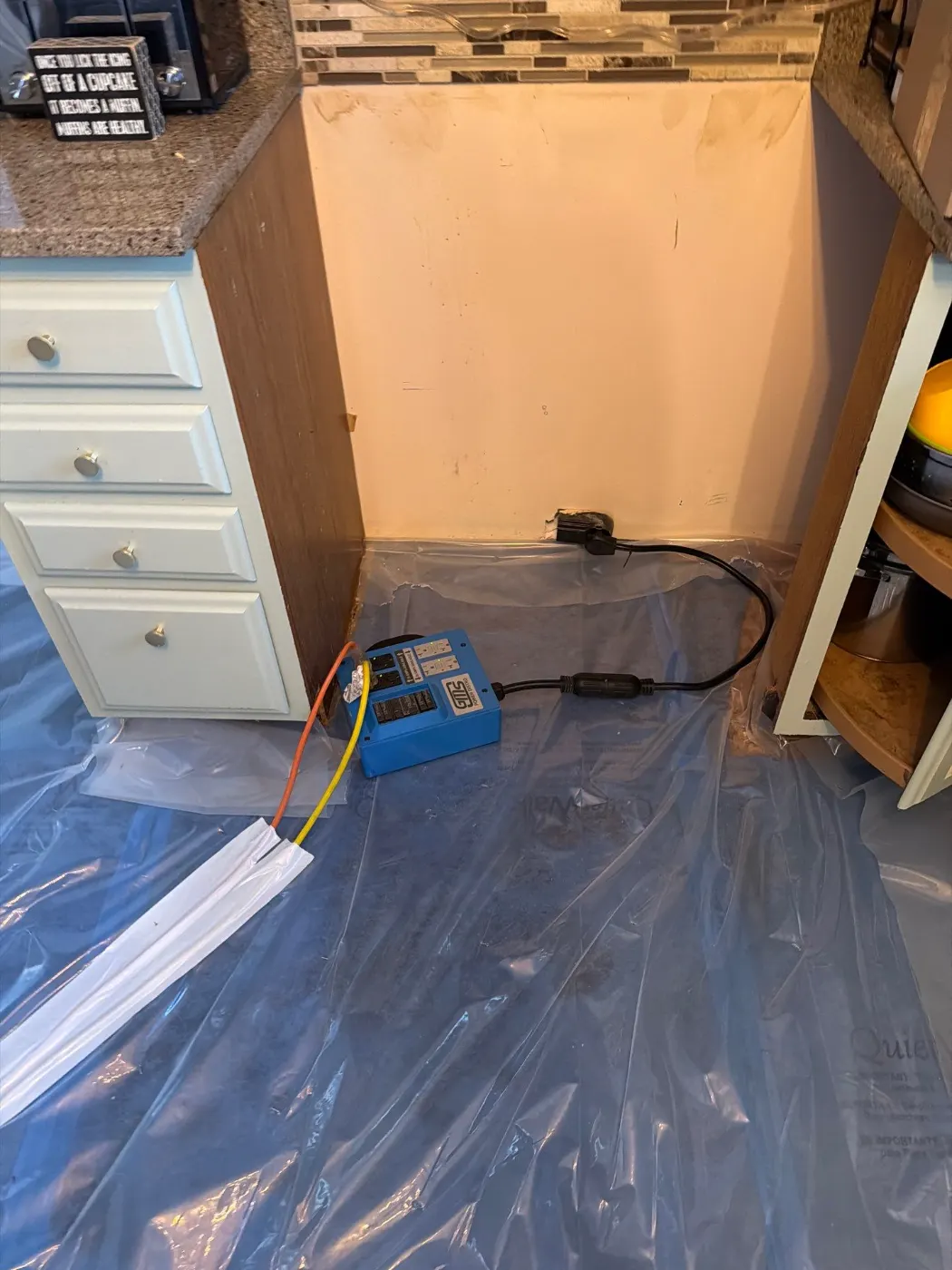
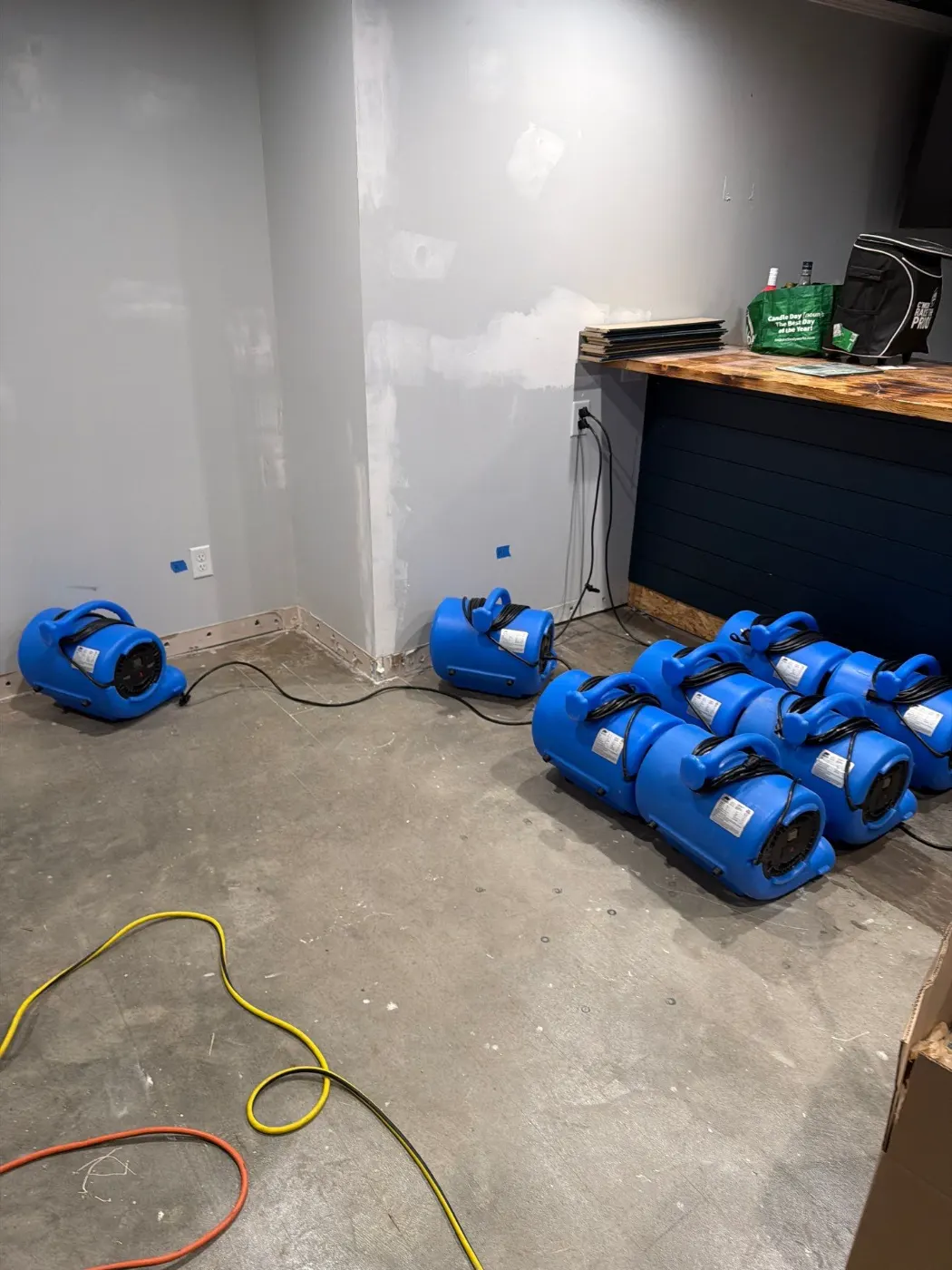
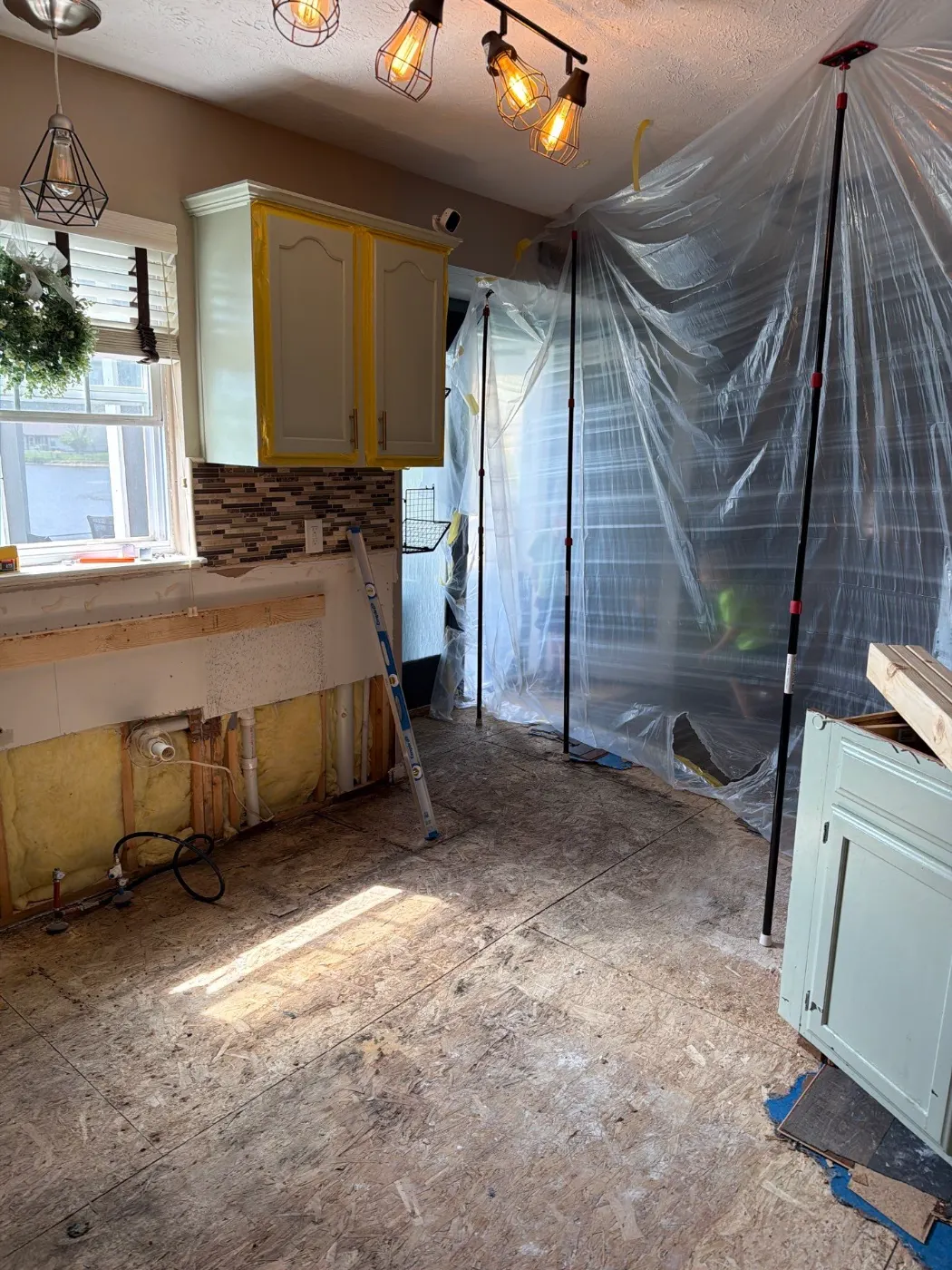
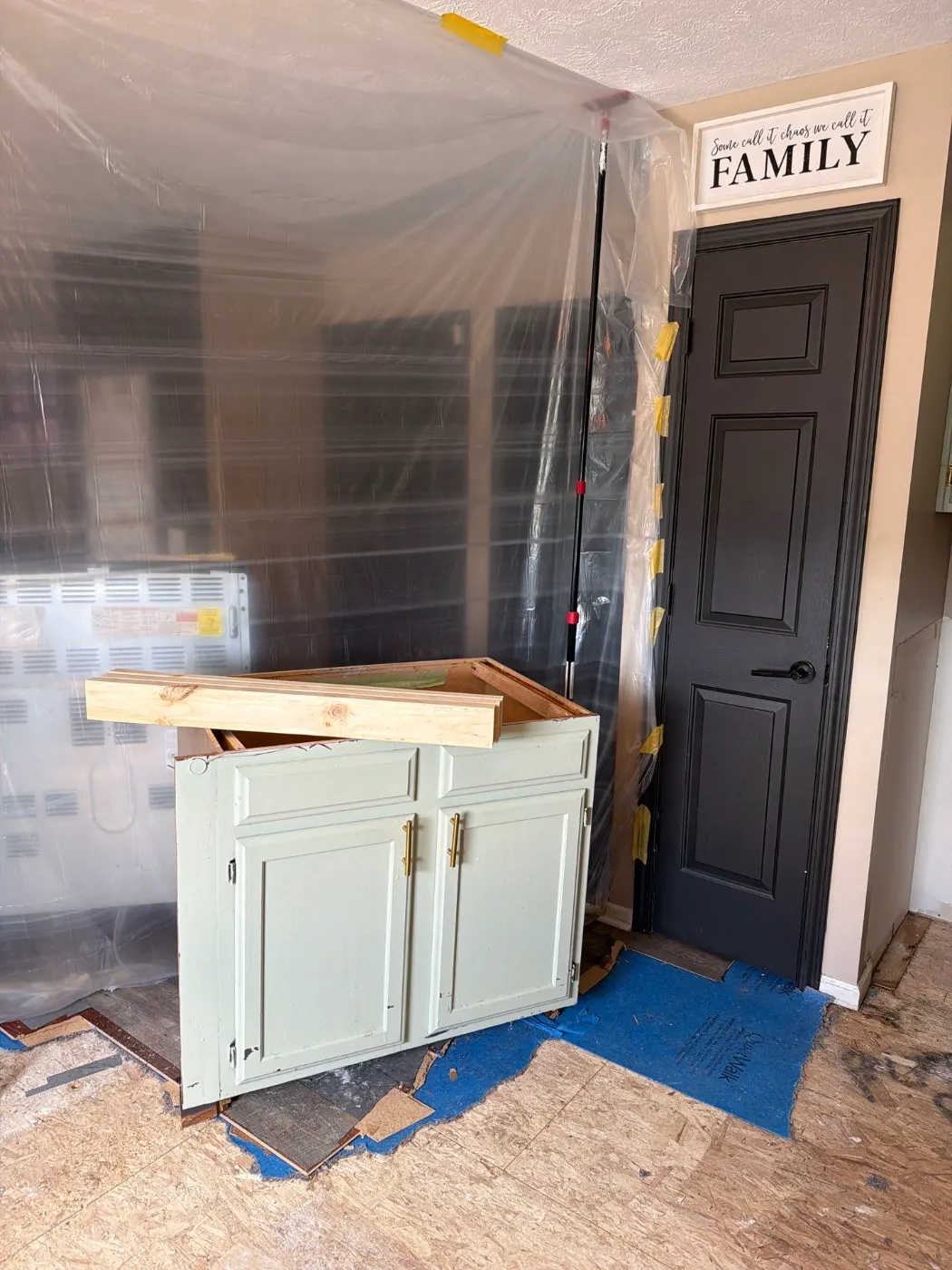
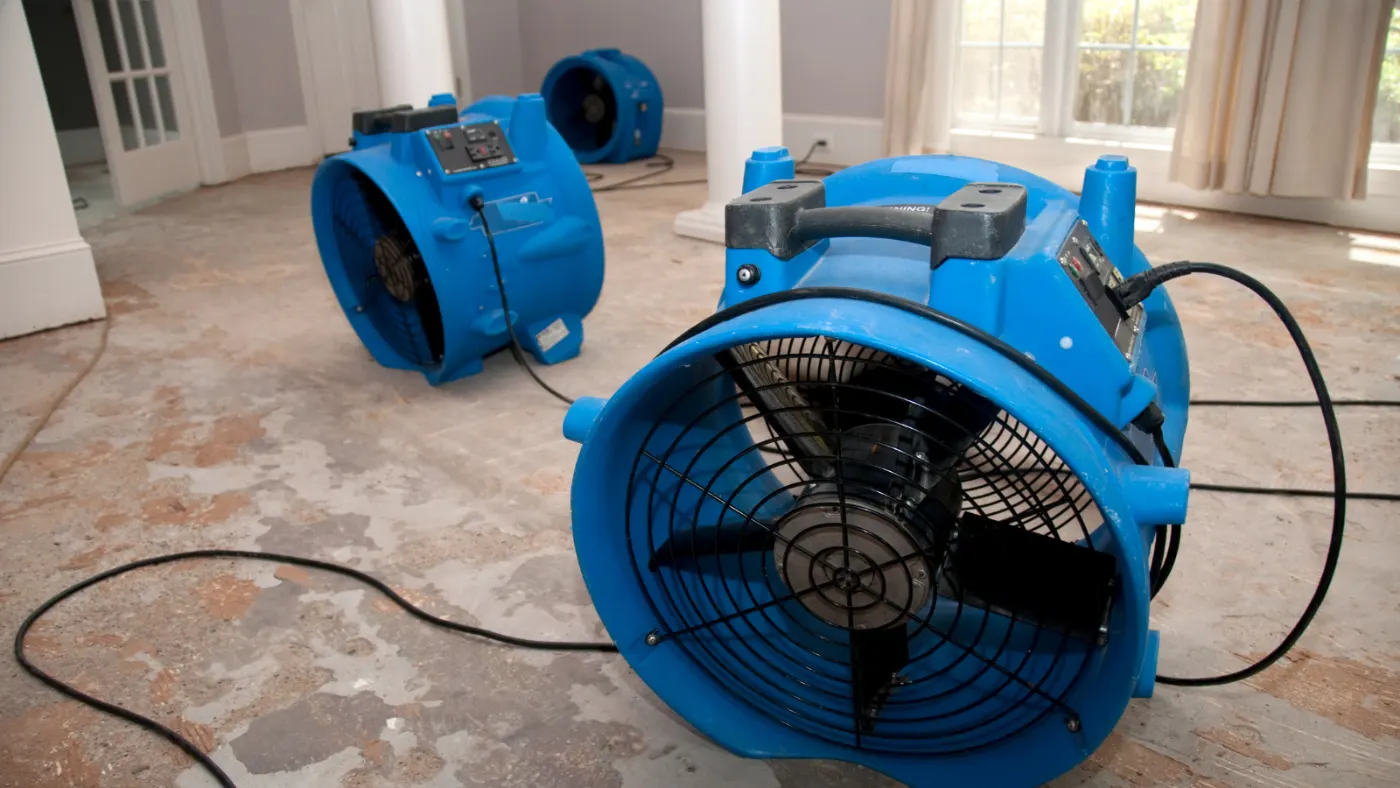
Photographs from real basement flooding jobs completed by our crew in Westport and surrounding areas.
Basement Flooding FAQ
Questions Westport homeowners ask us about basement flooding cleanup.
Guidance and Standards for Basement Flooding
- EPA advises drying water damaged areas and items within 24 to 48 hours to prevent mold growth. EPA: A Brief Guide to Mold, Moisture and Your Home
- Ready.gov notes that homeowners insurance policies don’t cover flooding, so check what your own policy says. Ready.gov: Floods
Other Restoration Services in Westport
Westport Water Restoration handles the full scope of restoration work. Explore our other services below.
Water Damage Restoration in Westport
24/7 emergency response. IICRC certified water restoration from extraction to full dry out.
Learn more →Sewage Cleanup in Westport
Category 3 biohazard cleanup. Full containment, decontamination, structural restoration.
Learn more →Storm Damage in Westport
Storm related water emergencies. Tarping, extraction, drying, and full restoration.
Learn more →Request Basement Flooding Cleanup
Reach Us Directly
Our team is available 24/7 for emergencies and ready to schedule inspections during business hours.
Need Immediate Help?
For active water or mold emergencies, call us directly. We are available 24/7.