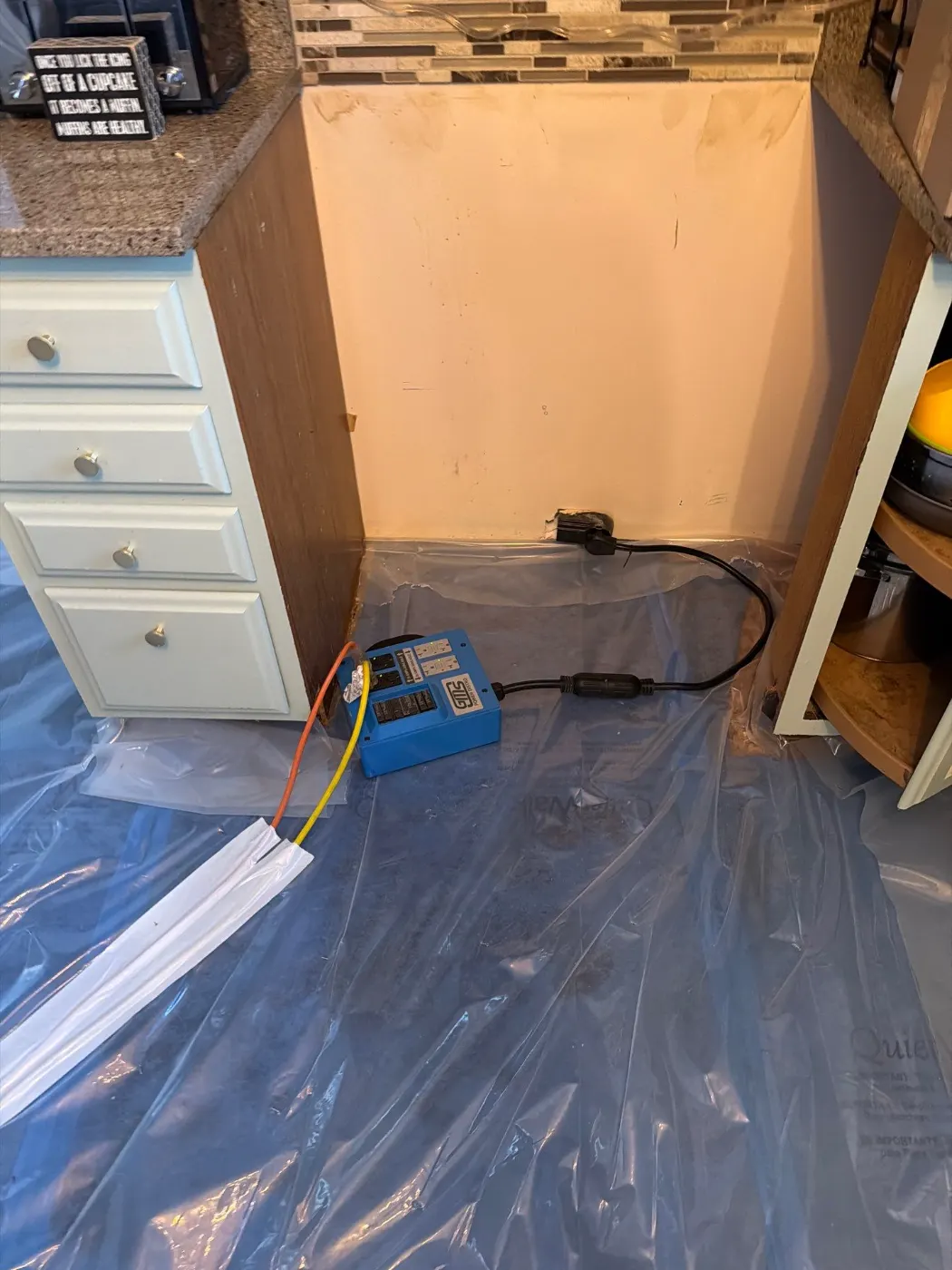
Commercial Mold Remediation in Westport, IN
Mold remediation across central Indiana gets planned around occupied floors and the tenant schedules inside them.
Westport Water Restoration provides Commercial Mold Remediation across Westport with IICRC certified technicians, scheduled evaluations, and documentation your insurance carrier expects. Call (812) 515-1567 to set a time.
- Service: Commercial Mold Remediation for Westport homeowners
- Service area: Westport, IN and surrounding areas
- Response time: Inspection scheduled quickly, written scope follows the visit
- Licensed and insured (License #RC21100059)
- Serving Westport, IN since 2018
Commercial Mold Removal in Westport
For commercial buildings in Westport, we'll track down the water feeding mold growth before any material comes out.
Moisture Sources Here
Buildings near Sand Creek can take on floodwater, and anything left wet afterward can grow mold. We'll go over the air handling and any past leaks on the first walkthrough with whoever runs the building.
We take commercial mold jobs anywhere in Westport, including the streets around Quality Foods building on Main Street and Poplar Street. We also handle commercial mold work in North Vernon, Greensburg, Grammer and Millhousen.
Commercial Mold Remediation for Westport Businesses
Occupied buildings are the hard version of this work. You can't close the floor, and the tenants and the corridor outside the work area have to keep working. Westport Water Restoration runs commercial mold remediation in Westport with sealed containment, negative air machines exhausting through HEPA filtration, and decontamination entries that keep the rest of the building out of the work zone. Scheduling around business hours is usually part of that plan.
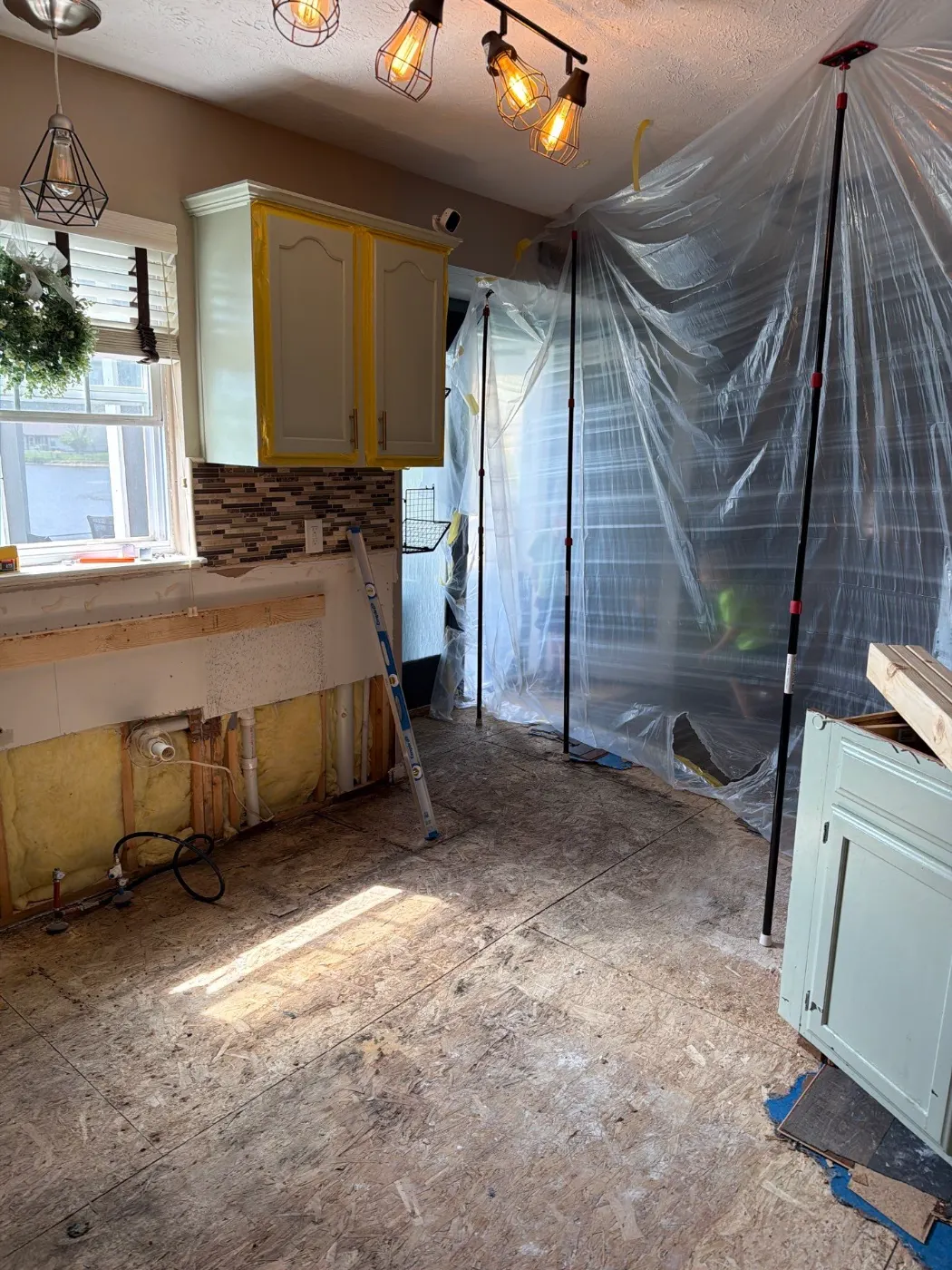
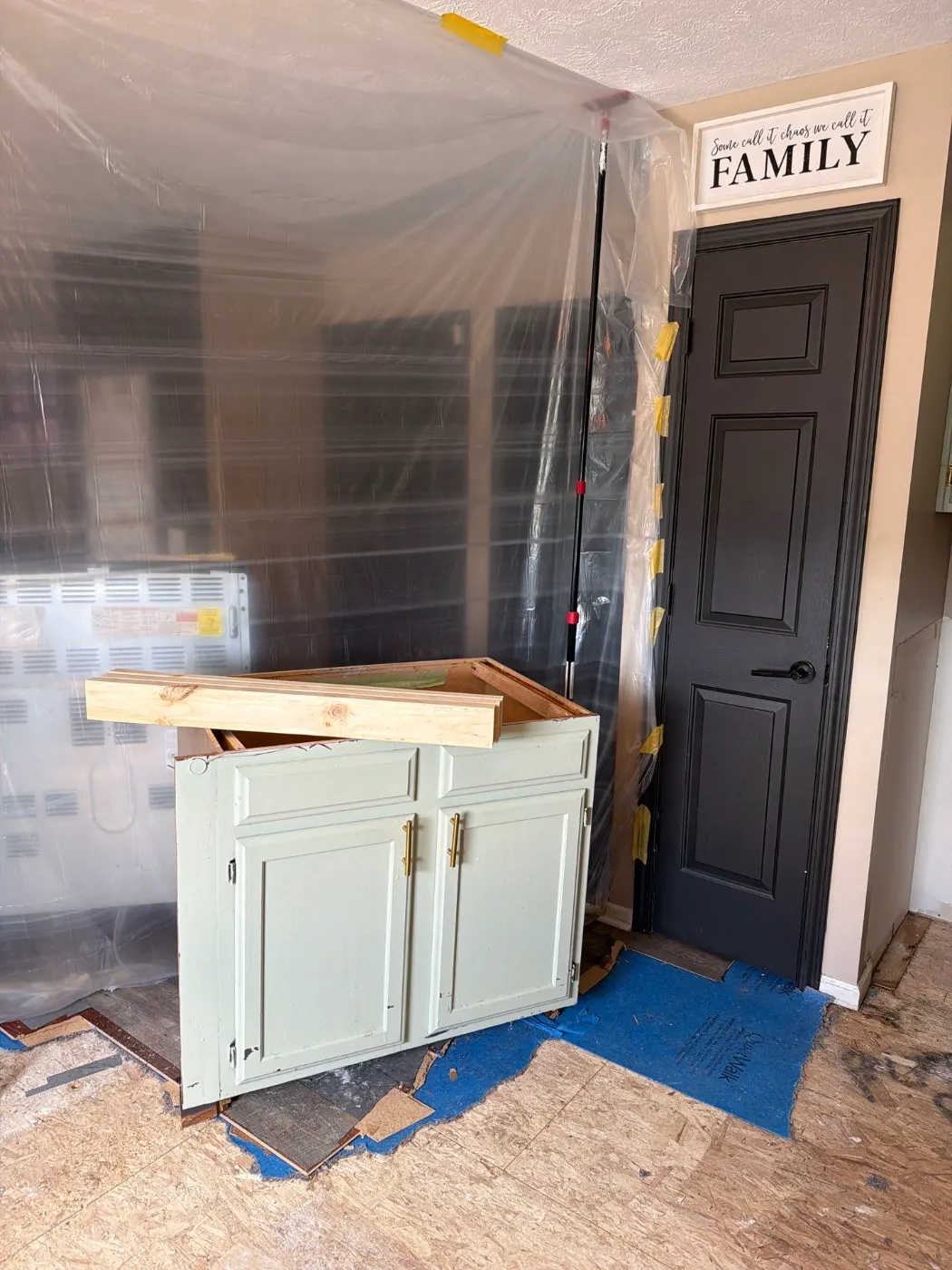
On every mold job Westport Water Restoration runs in Westport, containment goes up before anything gets disturbed. The crew seals the work area, builds a decontamination entry and holds negative pressure with HEPA filtered machines, and a manometer confirms it's holding. Moving spores through an occupied building is the mistake that's hardest to undo, so the barrier comes first.
Documentation runs parallel to the physical work the whole way through. Westport Water Restoration crews log moisture readings by location and date, photograph containment, affected assemblies, removal in progress and cleaned surfaces, keep disposal records for the bagged material, and record equipment type and placement. That file is what a building owner hands to a lender, a prospective tenant or their own counsel when somebody asks what was done and when.
Damaged contents belong in the claim file as their own list. Walk the affected area with a camera and record each item and who owns it, since a landlord's policy and a tenant's policy often cover different property. Westport Water Restoration notes in the Westport scope which contents stayed inside containment, and you decide with your broker how to use that list.
Chronic damp in a mechanical room, a chase or behind refrigeration equipment deserves an inspection before it becomes a tenant letter. Westport Water Restoration inspects commercial properties across Westport and Decatur County on a scheduled visit. You get the moisture findings, the affected boundary, and a written scope you can take to ownership.
Signs You Need Commercial Mold Remediation
If you notice any of these in your Westport building, schedule a free inspection before the issue worsens.
Dark staining along the caulk line behind a janitor sink or restroom fixture
Vinyl wall covering bubbling or peeling at the seams, usually worst near the base
Window perimeter staining that darkens after driving rain and never dries out completely
Relative humidity in the space that stays high even with the mechanical equipment running normally
A stain running down an interior column or chase wall where a roof leader passes through
Flooring adhesive letting go in one localized patch, with tiles lifting or releasing at the edges
Carpet tile edges curling or staying damp along an exterior wall for days at a time
Dark speckling on the gypsum board above the suspended ceiling line, visible from a ladder
Staining on the underside of carpet or pad that shows when a seam lifts
Musty air that greets staff on Monday mornings after the weekend HVAC setback
How Westport Water Restoration Handles Commercial Mold Remediation
We follow these steps in order on every Westport job.
Inspection and Moisture Survey
Crews walk the affected area with thermal imaging and penetrating moisture meters, lift ceiling tiles where readings justify it, and open small inspection ports in wall assemblies. The survey defines the real boundary of the growth and identifies where the water is arriving from.
Stopping Active Water
If water is still arriving, stopping it comes before anything else. The crew works with the building engineer to find the valve or penetration involved, then controls it temporarily so the area stops getting wetter while the scope is written.
Protocol and Consultant Review
When an industrial hygienist or an engineer is involved, Westport Water Restoration reviews their documents with them before the scope is finalized. Containment limits and verification steps get reconciled with the building's constraints on paper first.
Written Scope and Approval
The Westport Water Restoration team puts the findings in writing: containment boundary, which assemblies come out, which get cleaned in place, and the moisture source that has to be corrected. The building owner or property manager approves it before any material is disturbed.
Final Walkthrough and Records
Building management and the team walk the finished space together, and the project file is handed over. That file holds the scope, the daily logs, the disposal records and any verification reports.
Commercial Mold Remediation in Westport
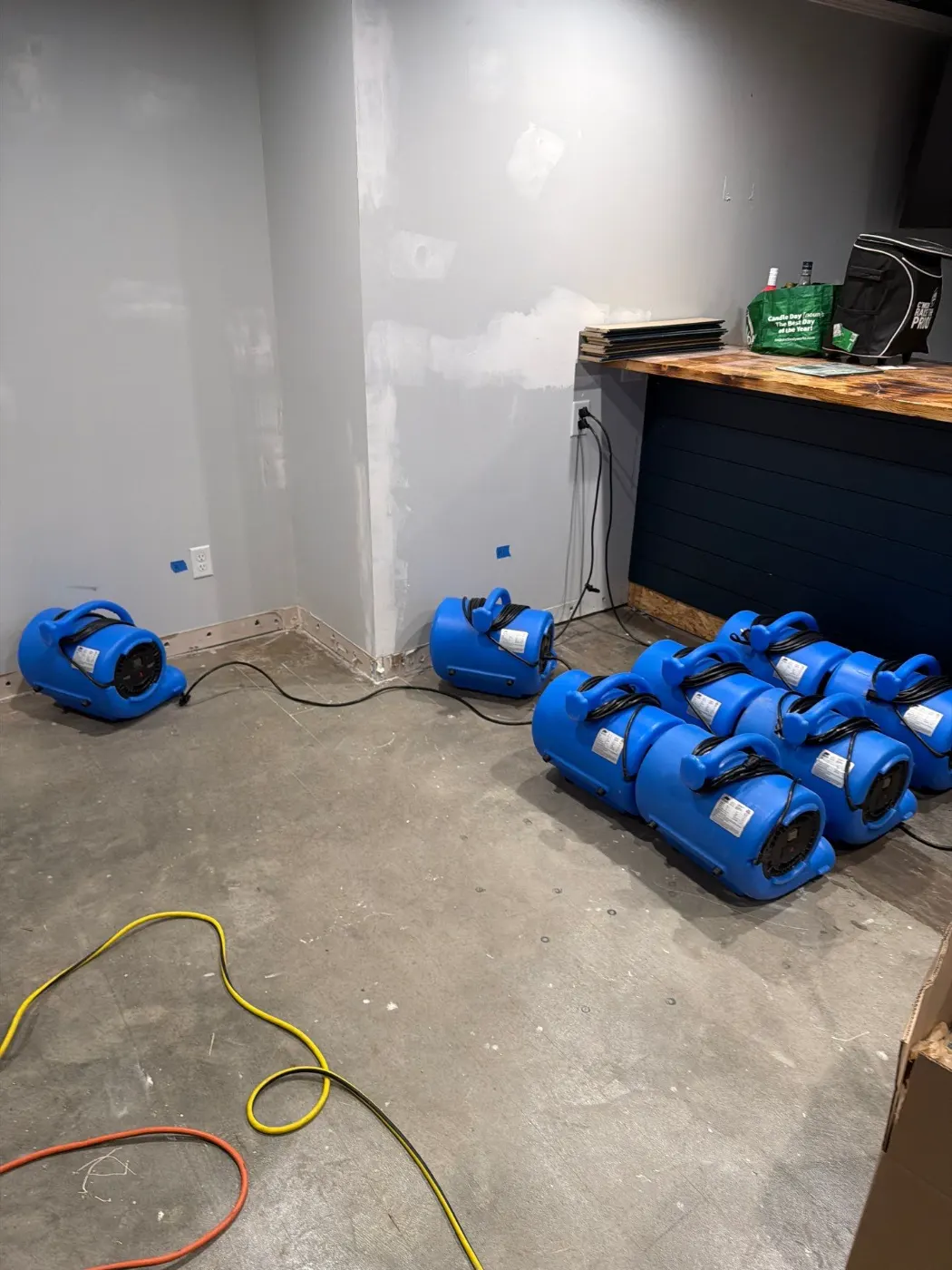
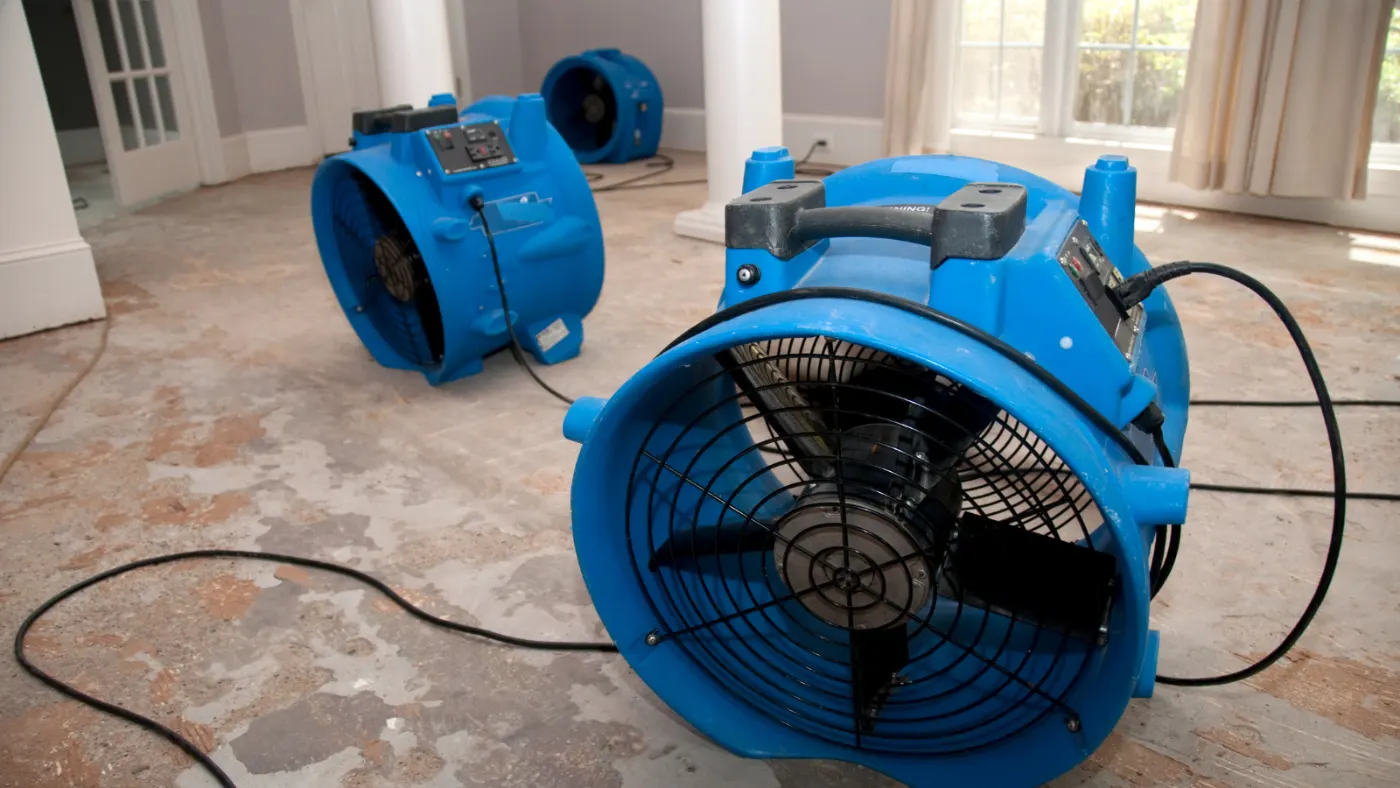
Photographs from real commercial mold remediation jobs completed by our crew in Westport and surrounding areas.
Commercial Mold Remediation FAQ
Questions Westport property managers ask us about commercial mold remediation.
Guidance and Standards for Commercial Mold Remediation
- The ANSI/IICRC S520 is the published standard for professional mold remediation. The current edition is the Fourth Edition, 2024. IICRC S520 Standard
- EPA’s mold guide says the key to mold control is moisture control. EPA: A Brief Guide to Mold, Moisture and Your Home
Other Restoration Services in Westport
Westport Water Restoration handles the full scope of restoration work. Explore our other services below.
Water Damage Restoration in Westport
24/7 emergency response. IICRC certified water restoration from extraction to full dry out.
Learn more →Basement Flooding in Westport
Basement water emergencies handled fast. Extraction, drying, mold prevention.
Learn more →Sewage Cleanup in Westport
Category 3 biohazard cleanup. Full containment, decontamination, structural restoration.
Learn more →Request Commercial Mold Remediation
Reach Us Directly
Our team is available 24/7 for emergencies and ready to schedule inspections during business hours.
Need Immediate Help?
For active water or mold emergencies, call us directly. We are available 24/7.